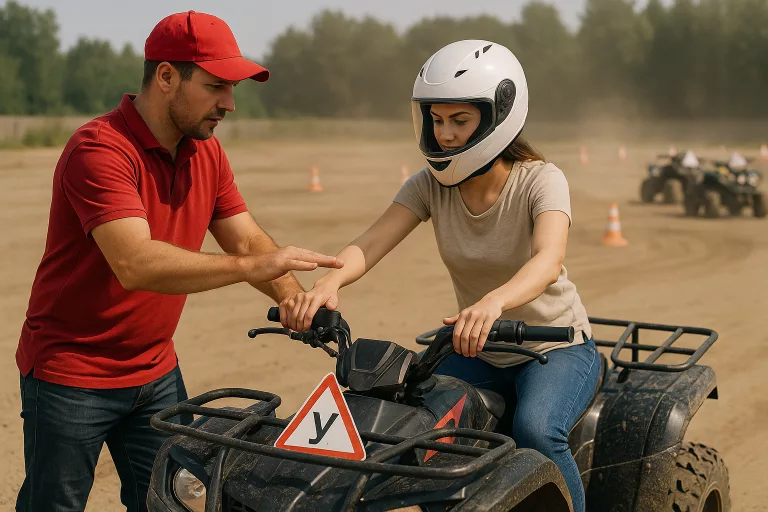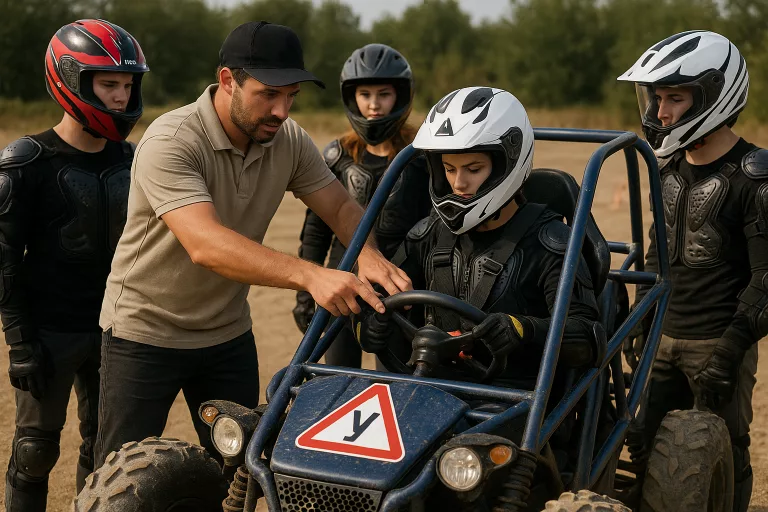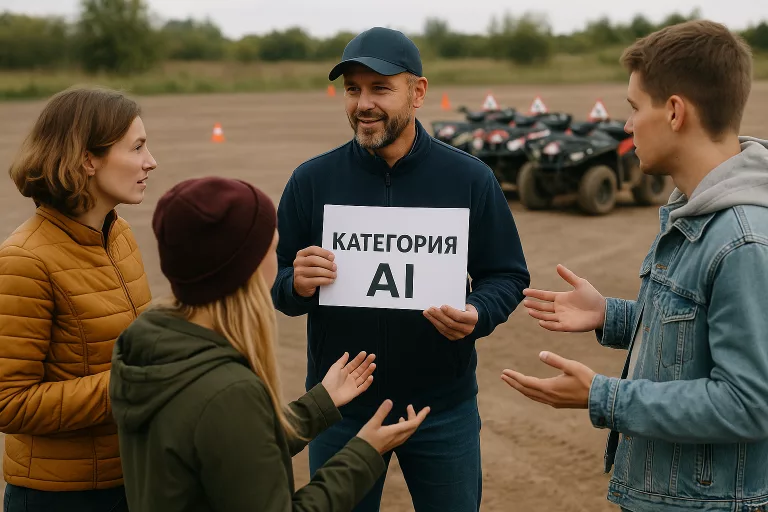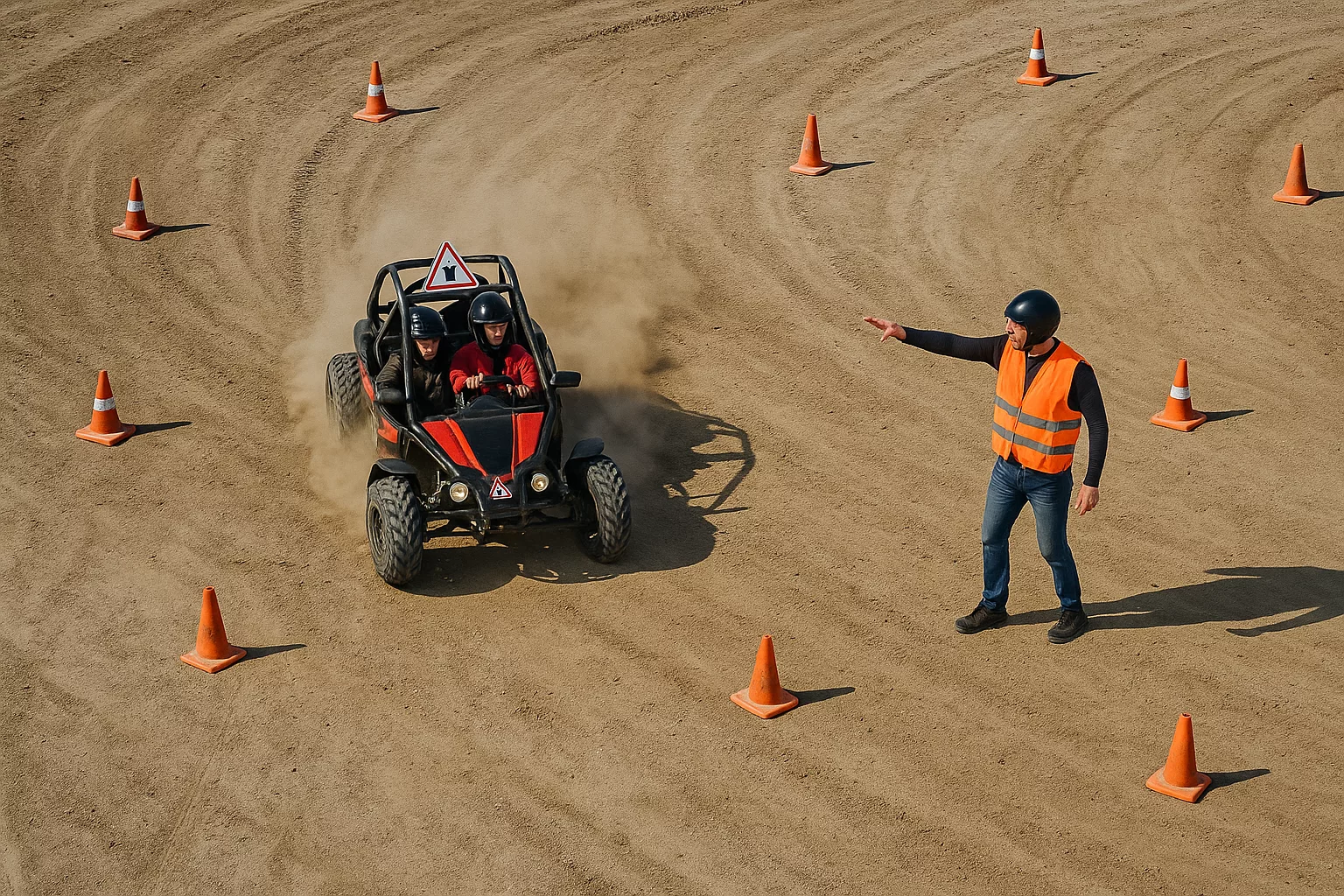

Why learn to drive quads and buggies in Moscow?
Riding quad bikes and buggies opens up a world of outdoor adventure across the Moscow region — from forest tracks and country trails to organized off‑road events. Obtaining the appropriate driving category (AI, AII) and passing Gostechnadzor (Гостехнадзор) exams not only keeps you legal, it makes you a safer, more confident rider and helps protect the environment and other people on the trail.
Quick overview: AI vs AII (what to expect)
— AI and AII are common classifications for off‑road light vehicles and small agricultural/utility vehicles in Russia. Exact definitions and eligibility can change — always confirm current rules with your local Gostechnadzor office or an accredited driving school in Moscow.
— In practice:
— AI often covers light quadricycles/ATVs with limited power and speed.
— AII may include more powerful quads, buggies and utility vehicles requiring additional training.
— Each category has its own theoretical and practical exam requirements.
Step‑by‑step path to a legal licence in Moscow
1. Confirm the exact category and requirements with your local Gostechnadzor office or an accredited training center.
2. Obtain a medical certificate if required (basic health check, vision test).
3. Enroll in a certified training program for AI/AII — look for experienced instructors and hands‑on practice time.
4. Complete required theory lessons (traffic rules, vehicle safety, basic maintenance).
5. Accumulate practical training hours with an instructor — maneuvers, off‑road control, and road interaction if applicable.
6. Book and pass the Gostechnadzor theoretical exam.
7. Pass the practical exam (maneuvers + controlled riding).
8. Register/insure your vehicle and collect your license/documentation.
Preparing for Gostechnadzor exams — practical checklist
— Documents: ID, medical certificate, application/receipt from the driving school, proof of course completion (if required).
— Theory prep:
— Study the current road rules and local off‑road regulations.
— Learn vehicle-specific safety rules (lights, signals, load limits).
— Practice sample tests, focus on situational judgement and emergency procedures.
— Practical prep:
— Master basic maneuvers: controlled starts/stops, turning, figure‑8s, slalom, reversing (if required).
— Practice emergency braking and obstacle avoidance on different surfaces (dirt, gravel, grass).
— Practice riding in formation and signaling if group riding is tested.
— Day of exam:
— Arrive early, well rest, hydrate.
— Inspect the vehicle with the inspector if required.
— Ask clarifying questions calmly before starting.
— Ride smoothly — controlled, predictable inputs beat flashy risky moves.
Practical safety tips for daily riding
— Always wear certified protective gear: DOT/ECE helmet, gloves, riding jacket with padding, boots and eye protection.
— Pre‑ride checklist: tires, brakes, lights, fuel, chain/drive, and fasteners.
— Body position: keep your weight low and centered on uneven terrain; stand on footpegs over rough sections to absorb shocks.
— Speed control: match speed to surface, visibility and traffic; be conservative in wet, sandy or icy conditions common in Moscow seasons.
— Spacing: leave extra stopping distance in groups and when following track vehicles.
— Communication: use clear hand signals or intercoms; establish emergency protocols with your riding buddies.
— Environmental responsibility: stick to established trails, respect seasonal restrictions and avoid ecologically sensitive areas.
Quad bikes vs buggies — how to choose
— Quad bikes (ATVs)
— Pros: agile, easy to maneuver, great for single riders, simpler maintenance.
— Cons: less stability at high speed, higher rollover risk on uneven terrain.
— Best for: technical trails, hunting/farm use, single‑rider recreational tracks.
— Buggies (UTVs / side‑by‑sides)
— Pros: better stability, roll cage and seat belts, can carry passengers and gear.
— Cons: heavier, more expensive, may require higher licence category.
— Best for: family rides, carrying equipment, higher‑speed tracks and utility work.
— Considerations: intended use, comfort, storage needs, budget for purchase and maintenance, and the licence category required for operation in Moscow.
Choosing the right equipment (checklist)
— Helmet: correct size, certified standard (ECE/DOT), well ventilated for summer and insulated options for winter.
— Protective clothing: abrasion‑resistant jacket/pants, CE‑rated armor, or at least reinforced textiles.
— Boots and gloves: ankle support and good grip, waterproof for Moscow weather.
— Vehicle accessories: skid plates, tow straps, winch (for remote rides), proper tires for terrain.
— Maintenance tools: tire repair kit