
Introduction
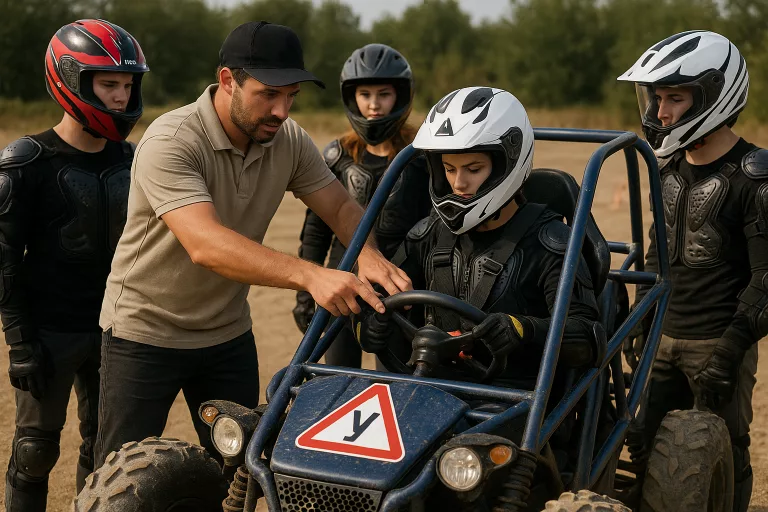
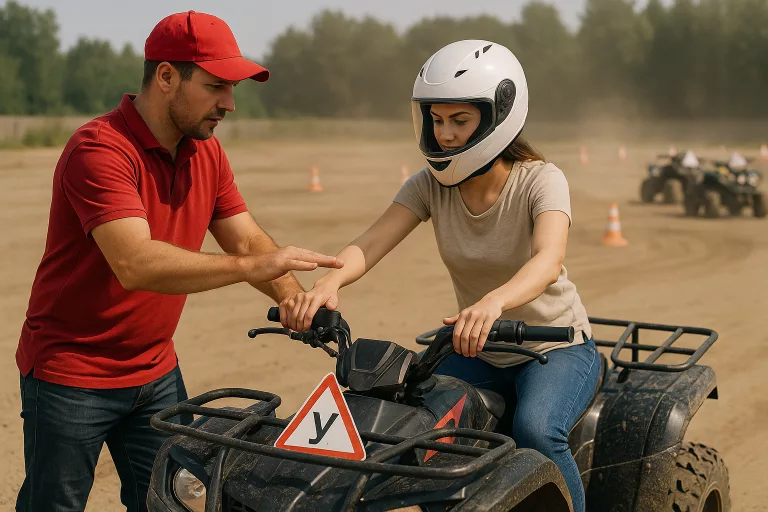
Training to ride quad bikes (ATVs) and buggies (side‑by‑sides / SxS) is an excellent way to combine practical skills, freedom in the outdoors and an active lifestyle. This guide focuses on practical training, preparing for AI/AII-style licensing and Gostechnadzor/GIBDD checks in Moscow, plus safe riding tips, vehicle overviews and equipment recommendations.
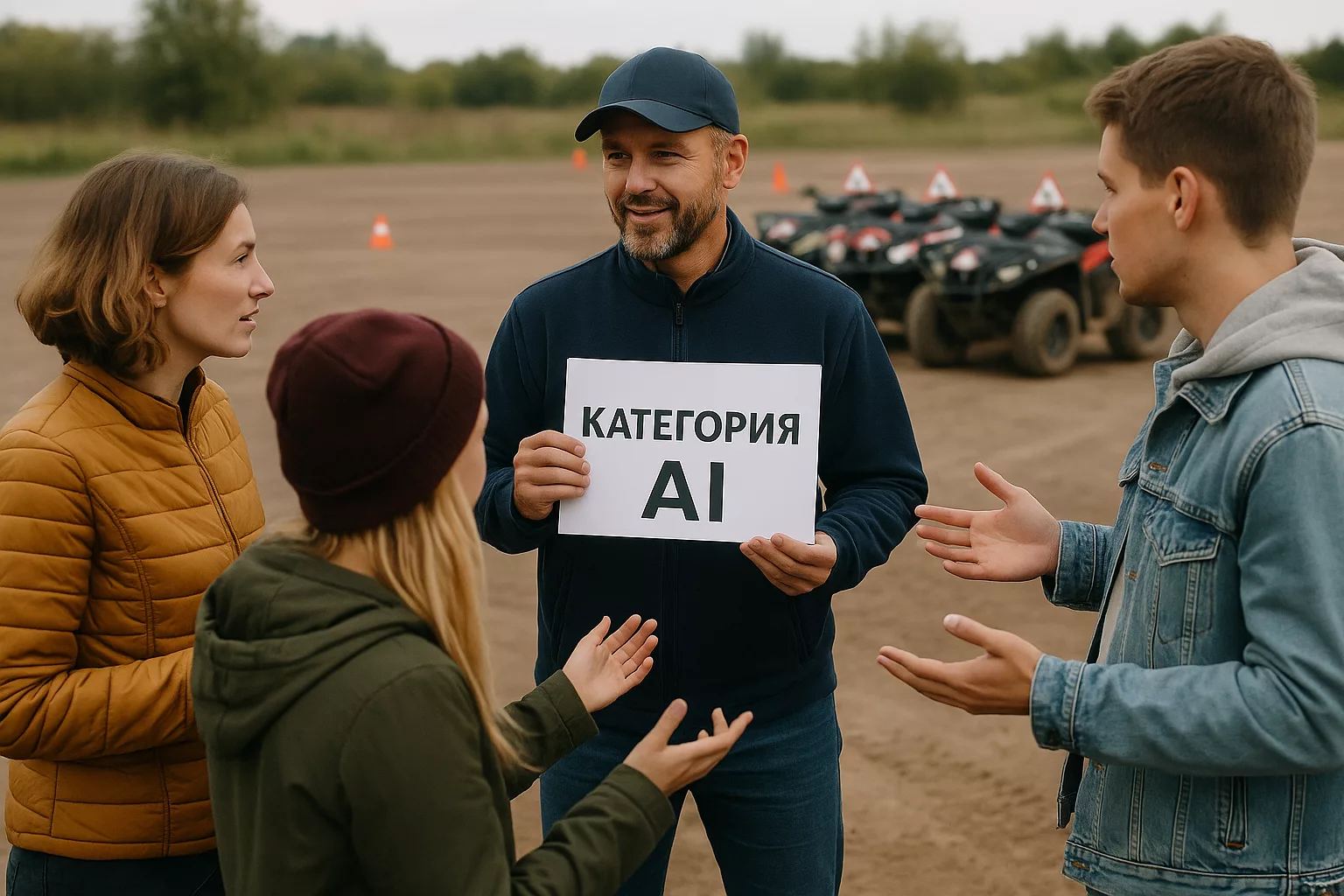
Understanding licences (AI / AII and local practice)
— Terminology can vary. In many systems, subcategories such as A1/A2 or categories for small motorcycle/quad vehicles exist. In Russia, licensing names and subcategories change—always confirm the exact category you need with your local traffic authority.
— Typical path:
— Enrol in a certified driving school that offers ATV/SxS training.
— Complete the required theory classes and practical hours.
— Pass the theoretical exam and the practical driving test administered by the relevant body (Gostechnadzor, GIBDD or another designated inspectorate).
— Practical tip: ask your chosen school in Moscow which exact category you will receive and which exams they prepare you for—this saves surprises on test day.
Preparing for Gostechnadzor / inspection exams
— Before the exam:
— Confirm the registration of the vehicle and required documents (ID, medical certificate, proof of training, vehicle documents, insurance) on the official portals (gosuslugi.ru, mos.ru) or direct with the examiner’s office.
— Ensure the vehicle meets technical and safety standards (lights, brakes, tires, registration plates where required).
— Theory exam:
— Study traffic rules relevant to off‑road/quad/buggy operation, basic vehicle technical knowledge, and first aid for common injuries.
— Use sample tests provided by your school or online practice tests.
— Practical exam:
— Expect maneuvers: controlled turns, slalom, emergency braking, low‑speed precision control and a short obstacle course.
— Practice under timed conditions and with a vehicle similar to the one you’ll use for the exam.
— On exam day:
— Arrive early, bring originals and copies of all documents, wear appropriate protective clothing, and ensure your vehicle is clean and technically sound.
Practical tips for safe riding
— Pre‑ride inspection (quick walkaround):
— Tires (pressure & condition), brakes, throttle response, steering, lights, fuel/oil levels, chain/drive/axles and any loose fasteners.
— Riding fundamentals:
— Body position: stand on footpegs on rough terrain; shift weight for climbs/descents and cornering.
— Throttle control: smooth inputs prevent slides and rollovers.
— Braking: use engine braking on descents; modulate front and rear brakes to prevent lockup.
— Cornering: reduce speed before the turn, lean/shift weight and accelerate gently on exit.
— Terrain & weather:
— Adapt to mud, snow, ice and sand—reduce speed, increase following distance and avoid sudden inputs.
— In Moscow winters, consider studded tires or choose trails with good traction.
— Group riding:
— Agree on signals, keep staggered spacing, ride at the skill level of the slowest participant.
— Emergency & first aid:
— Carry a basic first aid kit, a charged phone with emergency contacts, and know basic first‑aid procedures.
Overview: quad bikes vs buggies
— Quad bikes (ATVs):
— Pros: nimble, good for single riders, easier to maintain, generally lower cost.
— Cons: less stable at high speed, exposed to elements, limited passenger options.
— Types: