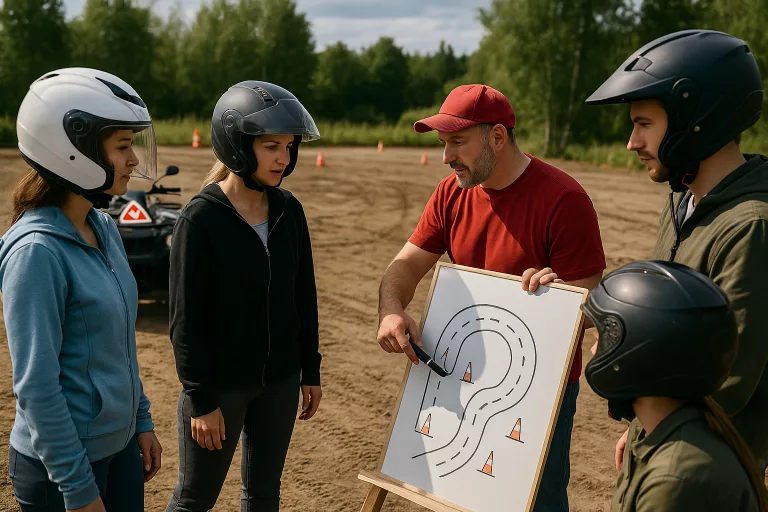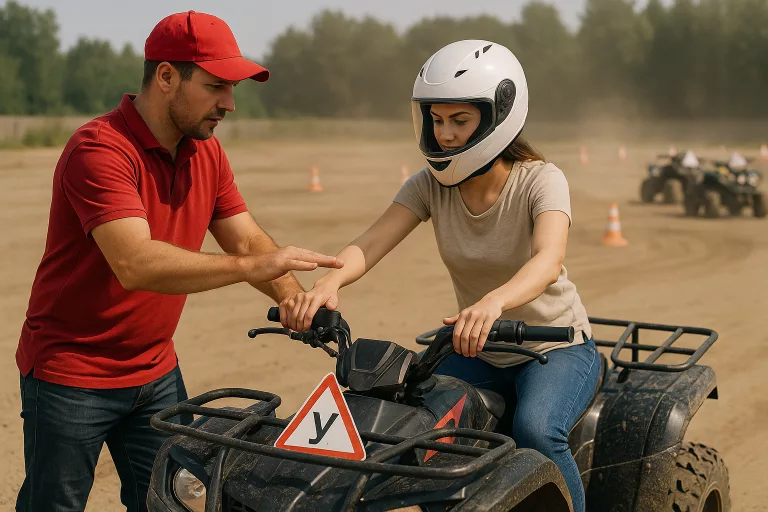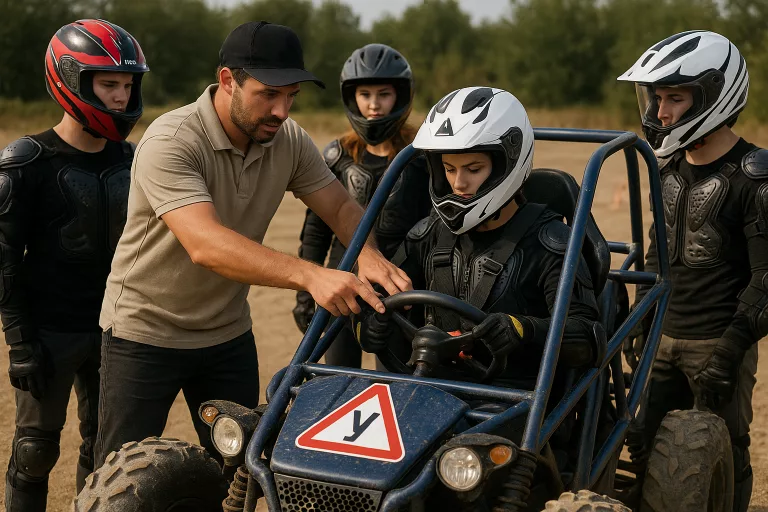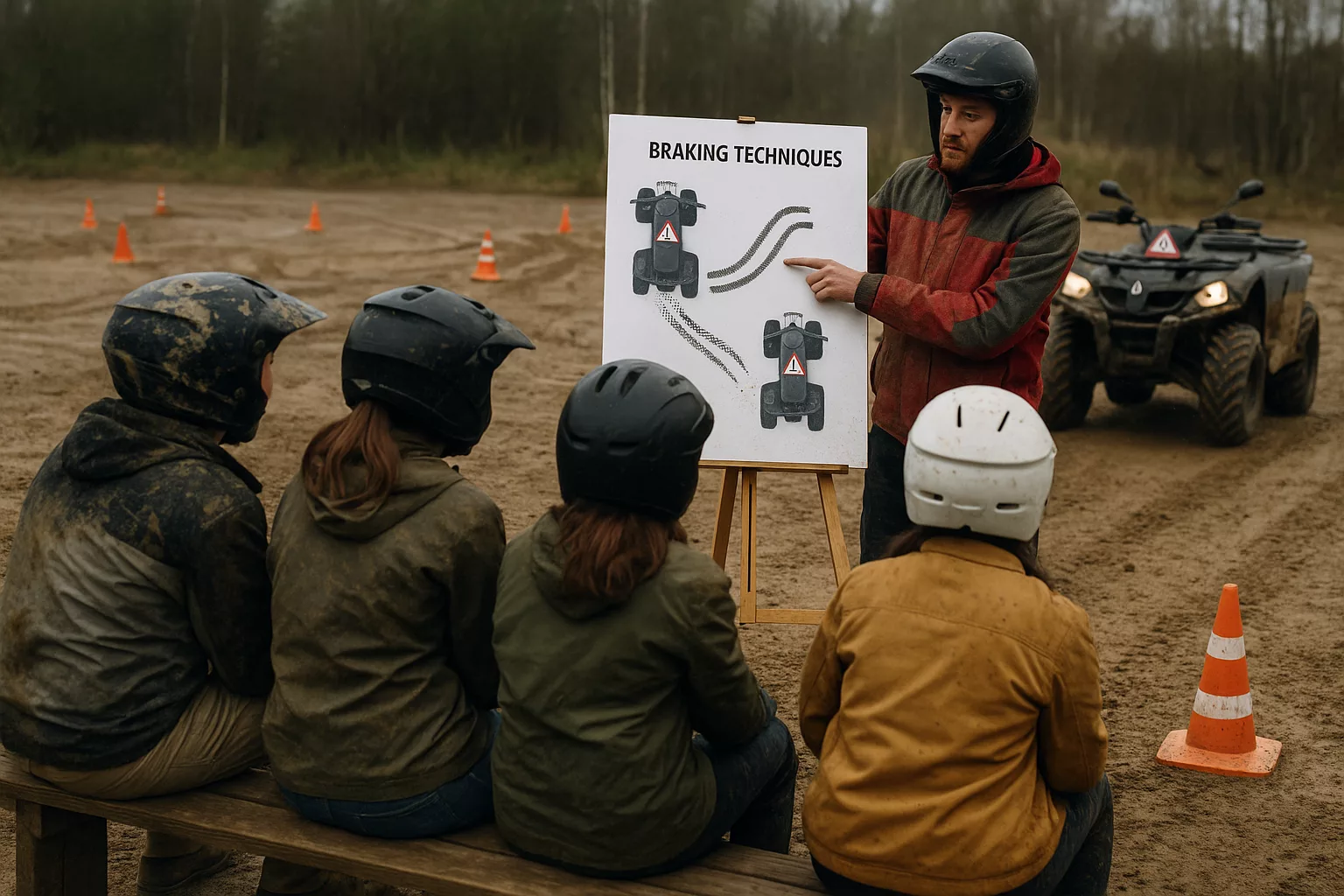

Why train for quad bikes and buggies in Moscow?
Riding ATVs (quad bikes) and UTVs/buggies is a fast-growing outdoor activity around Moscow. Proper training not only helps you pass the *AI* and *AII* license exams and meet Gostechnadzor requirements, it also keeps you and others safe, preserves trails, and makes your outdoor time more enjoyable.
This guide covers what to expect from training, steps to obtain AI/AII licenses, practical safety tips, how to prepare for Gostechnadzor exams, vehicle overviews, equipment recommendations, and ways to get active responsibly around Moscow.
—
Quick overview: AI vs AII — what they mean
— AI and AII are categories used by training centers and state examiners for off-road motorized vehicle operation permissions (confirm exact names/requirements with your local Gostechnadzor office).
— Typically:
— AI covers light off-road motorcycles/small quad bikes (lower power/engine size).
— AII covers larger quads and buggies/UTVs (higher power, multi-seat vehicles).
— Always verify the age, medical and document requirements before enrolling — rules can vary by region.
—
Steps to obtain AI/AII licenses in Moscow (typical process)
1. Choose an accredited training center in Moscow or Moscow Oblast that is authorized to prepare students for Gostechnadzor exams.
2. Get a medical certificate confirming fitness to operate off-road vehicles (local clinics provide this).
3. Enroll in the course: theory + practical hours (hours vary; check the school syllabus).
4. Study theory: vehicle safety, basic mechanics, rules for off-road operation and environmental/land-use regulations.
5. Complete practical training on instructor-controlled circuits and trails: basic handling, emergency maneuvers, obstacle negotiation, recovery techniques.
6. Take the Gostechnadzor exam (theory test + practical maneuvers and vehicle inspection).
7. Submit documents and pay fees; receive your AI/AII endorsement or certificate.
Tip: contact the Moscow Gostechnadzor office or your chosen school to confirm required documents, fee amounts and testing schedule.
—
Preparing for the Gostechnadzor exam — practical checklist
— Documents:
— Passport or ID
— Medical certificate
— Enrollment/confirmation from the training school
— Passport-size photo (if required)
— Practice:
— Familiarize with the exact vehicle model you’ll use in the exam.
— Practice the exam maneuvers: straight-line control, slalom, emergency stop, U-turns, hill start, slow-speed balance.
— Run through a pre-ride vehicle inspection: tires, brakes, lights, steering, fluid levels.
— Day-of:
— Arrive early, rested and hydrated.
— Wear approved protective gear.
— Listen carefully to the examiner and ask clarifying questions if allowed.
— Mock exam:
— Ask your school for a mock exam session under exam conditions to reduce stress.
—
Practical safety tips for riding in and around Moscow
— Always wear certified protective equipment: helmet (ECE/DOT standard), gloves, boots, chest protector and knee pads.
— Do a pre-ride safety check every time: fuel, oil, brakes, throttle response, tires, steering.
— Ride to your skill level — avoid high-speed or technical terrain until trained and experienced.
— Use controlled speeds near populated areas, trails, and water crossings.
— Keep a safe distance from other riders; establish hand signals or radio communication for groups.
— Avoid alcohol or drugs before riding; fatigue impairs control as much as impairment.
— Learn recovery techniques: winch use, towing, lifting a rollover safely.
— Respect seasonal conditions: Moscow winters require different tires, reduced speeds, and additional warm clothing.
—
Quad bikes vs buggies — choosing the right machine
— Quad bikes (ATVs):
— Pros: highly maneuverable, easier to store and maintain, good for single riders, excellent for narrow trails.
— Cons: higher rollover risk, less passenger capacity, exposed to elements.
— Best for: technical single-track trails, utility tasks, solo off-road fun.
— Buggies/UTVs:
— Pros: roll cage and seat belts, carry passengers and cargo, more stable at higher speeds, often more power.
— Cons: larger footprint, higher cost, may require more complex maintenance.
— Best for: group rides, family outings, long-distance trail runs, heavier loads.
Recommendation by experience level:
— Beginners: start with a small-displacement quad (125–250 cc) or a low-powered buggy with safety features.
— Intermediate to experienced: 400–1000 cc machines for more challenging terrain and higher speeds.
—
Choosing equipment — what to buy first
— Helmet: off-road or dual-sport with ECE 22.06 or equivalent certification.
— Goggles (for off-road helmets) or a visor for buggies.
— Gloves: impact protection and